

With Election Day a week out, voters keep telling pollsters the same thing: Prices are too high. Eighty-four percent of registered voters in a new AP-NORC poll called the cost of living one of the most important issues when considering their vote. Nearly half of registered voters in a Reuters/Ipsos survey said it was the top factor in their vote, and KFF found gas and transportation costs now tie health care as voters’ biggest economic worry.
Diesel is a big part of that. As the conflict involving Iran has dragged on, diesel topped $6 a gallon for the first time, according to AAA, up from about $3.71 a year earlier. By early September, Brown University researchers estimated the additional economic burden from higher gasoline and diesel prices since the fighting began at more than $760 per U.S. household. The Energy Information Administration expects diesel to average $4.49 next year.
Most people never buy diesel, but they pay for it anyway. Trucks haul groceries, lumber and nearly everything on store shelves, and when fuel costs jump, shoppers end up covering the difference.
Whoever controls Congress in January will be under pressure to do something about it. One option doesn’t require a new law or new spending. It’s already before the Surface Transportation Board.
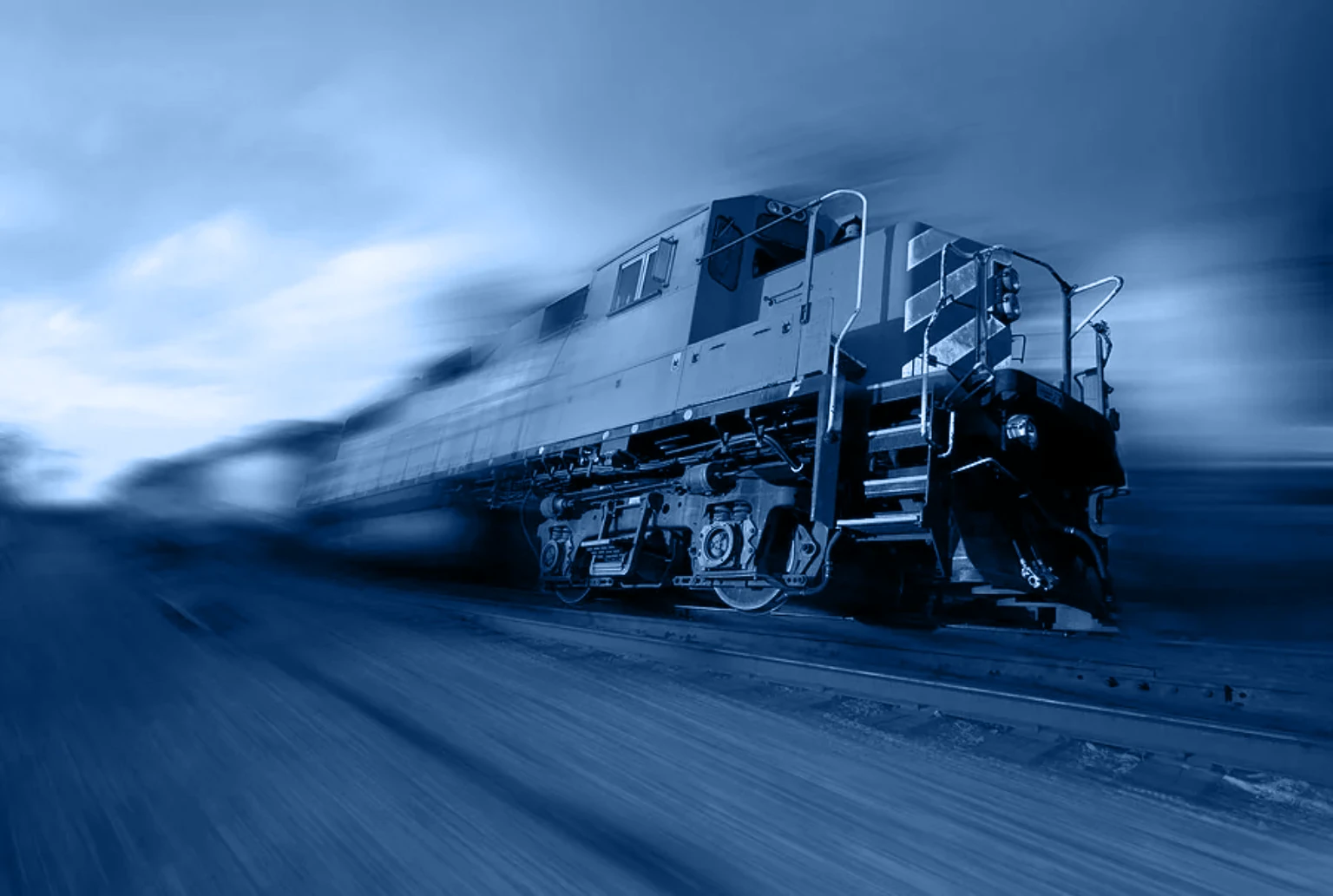
Union Pacific and Norfolk Southern want to combine into the country’s first coast-to-coast railroad. The case for the deal starts with fuel.
Railroads can move a ton of freight close to 500 miles on a gallon of fuel, according to the Association of American Railroads, which makes them three to four times more fuel-efficient than trucks. A single train carries the freight of hundreds of trucks. AAR has told Congress that moving just 10% of the freight hauled by the biggest trucks onto rail would save more than 1.5 billion gallons of fuel a year.
Plenty of freight that could go by rail goes by truck today, partly because cross-country shipments have to be handed from a western railroad to an eastern one. Each handoff adds time and cost, and a merged network gets rid of it. The two railroads project the combined company will pull 2.1 million truckloads a year off the highway, saving customers who switch about $3.5 billion annually.
Some of the loudest support has come from trucking companies, the industry you might expect to fight the deal. C.R. England, one of the largest refrigerated carriers in the country, said the merger “lets us combine the best of rail and trucking: moving freight farther with less fuel and fewer emissions, then delivering the last mile by truck.” The company called the efficiency gains “savings we can pass on to consumers.”
Knight-Swift, the nation’s largest full-truckload carrier, said the combined network would make cross-country intermodal shipping faster, more fuel-efficient and more reliable. “As a company that operates thousands of trucks and thousands of intermodal containers, we know the power of combining modes,” the company said.
Recent earnings suggest shippers are already heading this way. Union Pacific’s domestic intermodal business set its fourth straight quarterly record this summer. Executives credited tight truck capacity in part and said they expect more freight to convert from the highway.
On Norfolk Southern’s July call, CEO Mark George said volumes jumped after the Iran conflict began, and the growth spread into domestic intermodal. Another company executive told analysts that high fuel prices make intermodal more attractive to customers.
Both railroads reported strong third quarters on Oct. 22. Union Pacific’s volume rose 6%, and Norfolk Southern posted record revenue of $3.5 billion. “We look forward to the upcoming steps of the Surface Transportation Board’s merger review process and to delivering the benefits of America’s first transcontinental railroad for our customers,” Union Pacific CEO Jim Vena said.
Expensive diesel is already pushing shippers toward rail. What they don’t have yet is a single railroad that runs from coast to coast.
The merger won’t set diesel prices. Global markets do that, and the benefits would take time to show up after approval. What the deal can change is how much diesel the economy burns to move its goods, which would make the next price spike less painful.
The STB moved the case into its merits review this summer. The lawmakers who arrive in January will hear a lot about affordability. A rail merger may not sound like part of that conversation, but it could do more for freight costs than many of the bills they’ll take up.